Description
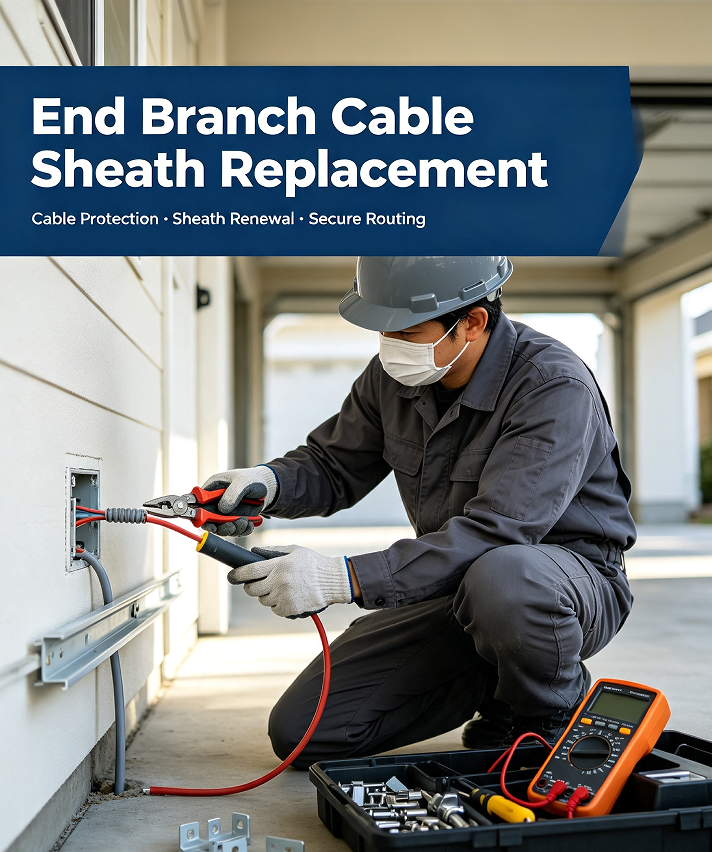
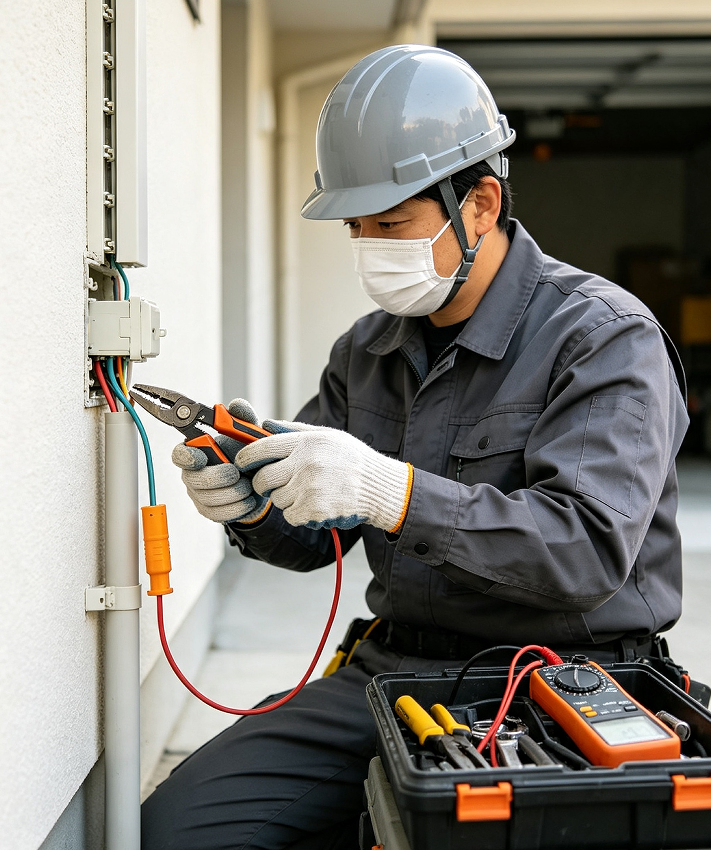
This package deals with the short section of branch cable extending from the junction box to the end-use equipment, where the outer sheath has developed localized cracking, chemical hardening, or lost flexibility due to prolonged heat exposure. We begin by confirming the terminal types at both ends, then disconnect the old cable under de-energized conditions, recording the color correspondence and terminal numbering for each core conductor. We select a replacement cable of the same cross-section but with a higher-grade sheath that offers improved oil resistance, temperature tolerance, and flex resistance to suit the demanding local microenvironment.
During installation, we set appropriate fixing intervals and bend protection sleeves at turning points to prevent sagging or internal stress from sharp bends. The stripping length at each end is controlled precisely to match terminal depth, using dedicated crimping tools to make lugs or direct spring-terminal insertion, ensuring full conductor insertion without exposed strands. After full reconnection, we perform continuity tests and phase sequence confirmation, then attach identification tags at both ends noting cable specification, installation date, and connected equipment name.
This replacement service’s cable type, sheath grade, and routing plan are custom-designed based on actual environmental corrosion sources, temperature distribution, and mechanical stress directions. A deposit is required at booking, covering the procurement of the specified sheath-grade cable and related protective accessories, with the amount estimated based on the total length to be replaced and sheath grade. After full replacement and electrical testing pass, the final balance is based on the actual net cable length consumed, connection accessories used, and installation hours.